

Basics
"What lasts is the repair, not the romance."
It is 9 p.m. You say, "Did you see the message from your mum?" Your partner keeps scrolling. Later you both argue about the dishes, and it is the same argument you had last month, almost word for word.
That sameness is normal. Psychologist John Gottman, who has watched couples in his lab for decades, found that 69% of marital conflicts are perpetual problems: years later, couples are still arguing about the same issue [1]. Lasting couples fight too. What sets them apart is how they treat each other in the small moments, and how they repair after a hard one.
Step 1: Notice and Turn Toward Your Partner's Bids

WHY THIS MATTERS
Most closeness is built in tiny moments. Gottman calls these moments bids: a partner's reach for attention, affection, humour or support. Each time, the other partner either turns toward or turns away [1]. In his lab, couples who turned toward each other stayed emotionally engaged and stayed married, while couples who did not eventually lost their way [1].
- Turn toward right away. Look up, answer, and ask one small follow-up: "Mm, tell me." "What did she say?"
- If you truly cannot talk, use Gottman's line: "I'm in a big hurry, but tell me about it now so we can talk about it tonight" [1]. Then bring it up tonight, so the delay turns into a second turning toward.
- Put your phone face down when your partner starts talking, so a screen does not turn you away without meaning to.
Within a week, your partner gets an answer to most bids, and small moments stop slipping by unnoticed.
Step 2: Keep the Balance Positive and Swap Contempt for Appreciation
WHY THIS MATTERS
Gottman's set-point idea means positivity is protective: a relationship that is set high can absorb more negativity before it is harmed [1]. On the other side, hostility during conflict, which includes contempt and mockery, was linked with lower satisfaction across 64 studies [2].
- Say one specific thank-you or compliment a day, out loud. Name the act and its effect: "Thanks for calling the bank today, it saved me a lot of stress."
- Catch your contempt signs: eye-rolls, sneers, sarcasm, mockery, "you always," "you never."
- Swap on the spot. When you feel an eye-roll coming, take one breath and say the true thing underneath instead: "I'm frustrated, because I thought we agreed on Tuesday."
By week 2, you say a specific thank-you on most days, and eye-rolls and sarcasm are rare in your disagreements.
Step 3: Start Hard Talks Softly and Own Your Part

WHY THIS MATTERS
How a talk starts shapes where it ends. Gottman reports that a discussion that opens with a harsh startup will end on a negative note, even when there are attempts to make nice in between [1]. In his lab, the first 3 minutes of a 15-minute talk predicted its outcome 96% of the time [1].
Gottman gives these rules [1]:
- Complain, don't blame. "There's mess all over the kitchen. We agreed you'd clean up tonight. I'm really upset about this."
- Start with "I", not "you". "I'm feeling neglected" works better than "You just don't care about me." "I want us to save more" works better than "You are careless with money."
- Be clear. Say exactly what you need: "Please change her nappy and give her a bottle."
- Don't store things up. Raise an issue while it is small, before it grows in your mind.
A simple frame puts these together: "I feel… about… I need…". Before you defend yourself, own one true part: "You're right, I didn't tell you I'd be late."
Within 3 weeks, most of your hard talks open with a soft start, and you own one part before you defend.
Step 4: Catch Flooding Early and Take a Real Break

WHY THIS MATTERS
Flooding is the body's alarm going off during a fight. Gottman's lab recorded heart rates of more than 100 beats a minute during tense talks, while a typical resting rate for a 30-year-old was 76 for men and 82 for women [1]. Adrenaline triggers the fight-or-flight response and blood pressure rises [1].
- Know your signs. A racing heart, a hot face, a tight chest, clenched fists, the urge to shout or to shut down.
- Check your pulse if you can. Count your pulse for 15 seconds and multiply by 4. Above about 100 beats a minute during a fight is your cue [1].
- Call the break kindly and set a return time. "I'm starting to feel flooded. I want to finish this. Can we take a break and come back at 8?" Gottman lists "I am starting to feel flooded" and "Can we take a break?" among his repair phrases [1].
- Take at least 20 minutes [1]. Breathe in gently through your nose, counting 1 to 5, and out through your mouth, counting 1 to 5, for at least 5 minutes [4]. During the break, avoid thoughts of righteous anger and of being the innocent victim. Do something soothing and distracting, such as music or exercise [1].
- Come back at the agreed time, even if only to set a new one.
Within 3 weeks, heated moments end in a calm break with a set return time, and you come back as agreed.
Step 5: Build Your Weekly Connection Hours
WHY THIS MATTERS
Gottman followed couples after his Seattle workshops. The ones whose marriages kept improving spent about 5 extra hours a week on the relationship, in a pattern he calls the Magic Five Hours [1].
Gottman's five hours break down like this [1]:
- Partings (2 minutes a day): before you leave, learn one thing happening in your partner's day.
- Reunions (20 minutes a day): a stress-reducing talk about stress from outside the relationship. Listen first, take your partner's side, and don't give advice they did not ask for.
- Appreciation (5 minutes a day): one specific thank-you or compliment.
- Affection (5 minutes a day): kiss, hold and touch, and kiss before sleep.
- Weekly date (2 hours): relaxed time with questions that update what you know of each other.
Add a 1-hour weekly check-in for fairness (Step 6), and your week comes to about 6 hours.
By week 2, the daily stress talk feels normal, and partings and the goodnight kiss happen most days.
Step 6: Own Whole Jobs and Rate Fairness Each Week
WHY THIS MATTERS
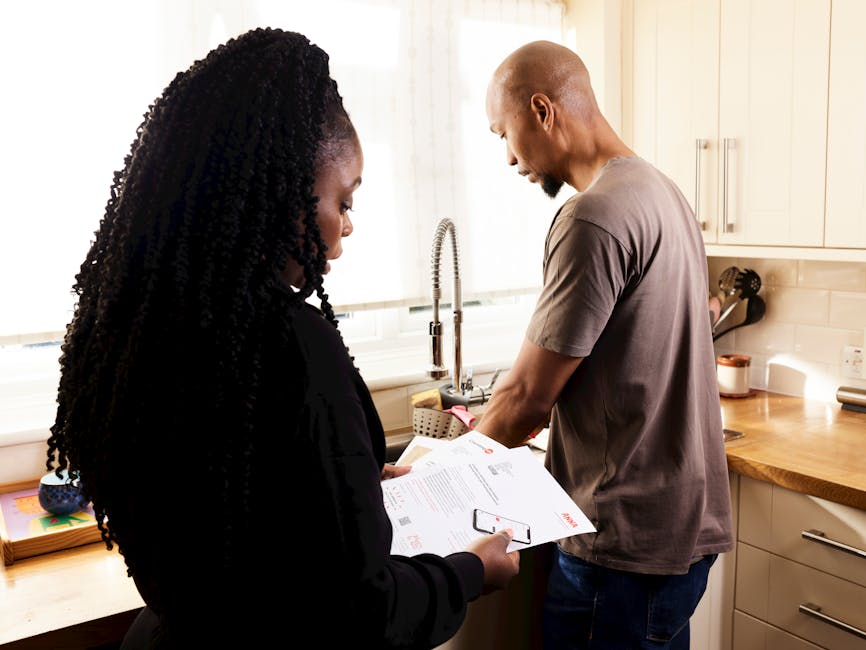
The work of a home is more than chores. It includes the mental load: the cognitive and emotional work of noticing, planning, remembering and caring. Australian researchers describe it as invisible, boundaryless (it follows you into work, leisure and sleep) and enduring (it is never done) [5]. In the UK, women did on average 26 hours a week of unpaid work such as cooking, childcare and housework, against 16 hours for men [6]. Fairness matters as much as hours. In a national US sample of dual-earner couples, feeling the housework split was unfair went with lower marital happiness for husbands and wives, and with higher odds of divorce for wives [3].
- List every job. Sit together for 30 minutes and list everything it takes to run your home, including the thinking work.
- Split by whole jobs. The owner does all of it: noticing, planning and doing. Nobody reminds or checks.
- Agree on "good enough". Set a shared standard for each job, and don't redo your partner's work your way.
- Rate fairness weekly. At your weekly check-in, each partner rates "How fair does the balance feel?" from 1 to 10. Talk through any score below 7, and agree one swap for the coming week. The 7 is a practical starting point; adjust it to what feels right for you both.
Within a month, both of you rate the balance 7 or higher in most weeks, and reminders about chores drop.
Track It
For the next 7 days, count one thing each evening: the bids you noticed from your partner and how many you turned toward. Check again on day 21: about 3 in 4 is solid.
When to Get Help
If contempt or stonewalling shows up most weeks, or nothing moves after a few months of steady practice, see a licensed couples therapist or counsellor. If you feel afraid of your partner, that is not a communication problem, and safety comes before couples work. Contact a domestic violence service first through findahelpline.com, or call your local emergency number if you are in danger now.
Go further
- Calm a Heated Argument: Spot Flooding and Take a Proper 20-Minute Break: the full flooding routine.
- Start a Hard Conversation Well: Soft Start, Good Timing and Recovery After: timing and recovery for hard talks.
- Share the Load at Home: A Fair Split of Chores and the Mental Load, So It Doesn't Fall on One Person: mapping the hidden work.


