

How to find your own buying triggers, put a planned pause between wanting and paying, see every price in hours of your life, make buying take a few more steps, and ride out an urge before it reaches the checkout.
Doctor's Note: Most impulse buying is a habit you can change with the steps below. If you can't stop buying even when you want to, you hide purchases from people close to you, or shopping is putting you into debt, talk to your doctor or a therapist. A non-profit credit counsellor can help with the debt itself.
How an Impulse Buy Actually Happens
It's late, you're tired, and a "last chance" banner pops up on your phone. Two taps later, it's bought.
Three things meet in that moment: a trigger, a jump in desire, and an easy path to pay. Each step below works on one of them. Step 1 finds your triggers. Step 2 gives the calm version of you a vote before the money goes. Step 3 makes the path to pay longer. Step 4 lowers the desire itself when an urge hits. Step 5 tells you whether it's working.
Learn them in this order. You can't plan around triggers you haven't named, so the log comes first.
Step 1: Find Your Buying Triggers with a 14-Day Log
WHY THIS MATTERS
The pull of each trigger depends on the person and the context [1]. A sale email may do nothing to your friend and everything to you. A log turns "I just buy stuff" into a short list of moments you can plan for.
- Today, start a note on your phone called "Unplanned buys".
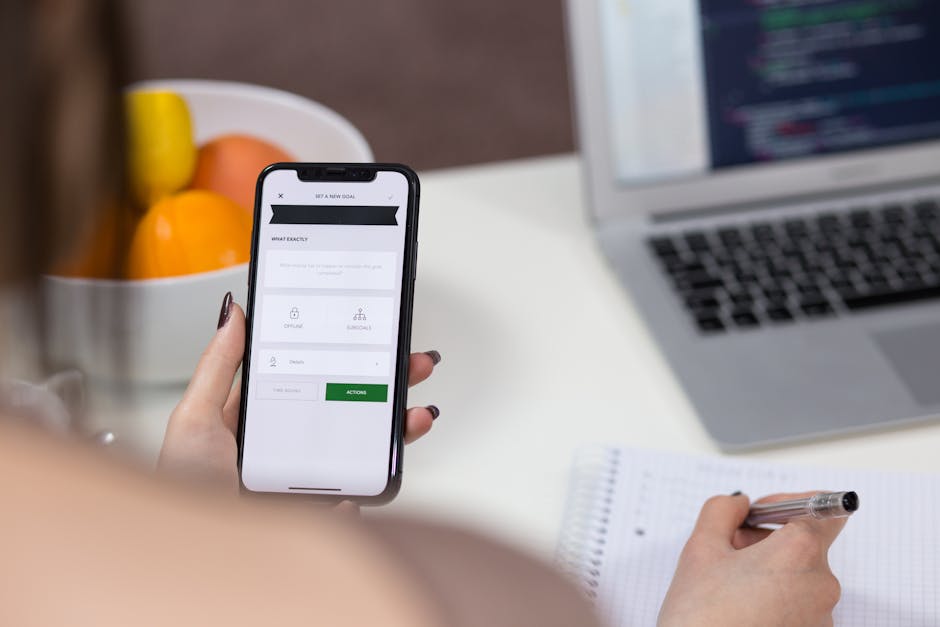
- For the next 14 days, log every purchase you hadn't planned before you saw it. Write five things: what it was, the price, where (which app, site or shop), the time, and your mood.
- Add the trigger in a few words: "sale email", "scrolling in bed", "saw it at the till", "bored at lunch", "friend's post".
- Give each buy a regret score from 0 (glad I bought it) to 10 (wish I hadn't). Score it 2 days later, not on the day.
- Don't change your spending yet. For now you're only watching.
- On day 14, read the whole log. Circle your top 3 triggers: the ones that come up most often, or that cost you the most.
- Write your danger zone in one line, for example: "shopping apps after 9 pm when I'm tired" or "lunch breaks with nothing planned".
What to expect
By day 14 you'll know when and why you're most likely to buy on impulse.
Step 2: Set a Pause Line, Wait a Night and See the Price in Work Hours
WHY THIS MATTERS
An impulse is a sudden rise in desire that briefly overrides your long-term preferences [3]. A pause line decides in advance which buys get a wait, so you don't have to decide in the heat of the moment. Frequent online impulse buyers say postponement, spending limits and costs they can see are among the tools they most want [4].
Pricing in work hours is the second half. In a study of 107 people shopping on a real site, a prompt that made the cost stand out was one of four tools that lowered the urge to buy [8].
How to set your pause line
- Pick an amount you choose, low enough that your usual impulse buys go over it. Write it in your phone next to your log.
- Set the line just below the price of your typical high-regret buy from Step 1, if that's lower.
- Anything above the pause line waits a night. Put it in the cart or on a wish list, then close the tab or walk away from the shelf.
- Big buys go on a wait list with the item, the price and today's date.
- When the wait ends, ask: do I still want it, and what does it replace? If yes, buy it without guilt. If not, delete it from the cart.
- Write the result in your log: "waited, still bought" or "waited, dropped".
How to price it in work hours
- Work out your hourly take-home pay once: monthly take-home pay divided by the hours you work in a month. Full time is about 160 hours (40 a week times 4).
- Save that number next to your pause line.
- For anything above your pause line, divide the price by it. 90 at 15 an hour is 6 hours. Ask: would I work 6 hours for this today?
What to expect
You'll see in your log how many waited items you still wanted. The ones you buy after a wait and a work-hours check are choices, and your regret scores should show it.
Step 3: Make Buying Take More Steps
WHY THIS MATTERS
It's easier to change your phone and inbox than to rely on willpower at 11 pm. Platform design is one of the main links to online impulse buying [2]. Sale emails are built to work on you: across 70 randomized experiments on a ticket platform, emailed discount offers raised spending by 37% during the offer, and 90% of that extra spending wasn't on the offer itself [9]. Frequent impulse buyers ask for tools that add checkout effort [4]. You can add that effort yourself.
- Remove saved cards from your top 3 shopping sites and apps today. Type the card number each time. Use your log from Step 1 to pick the 3.
- Turn off one-click buying wherever a site offers it.
- Move shopping apps off your home screen. Delete your most-used one, or put it in a folder on the last screen.
- Turn off shopping notifications for every shopping app.
- Unsubscribe from 3 sale emails or texts this week, then 3 more next week, until your inbox has none.
What to expect
Fewer urges reach the checkout, and the ones that do arrive slower, giving Step 2 a chance. Watch your weekly count in Step 5 to see the change.
Step 4: Ride Out an Urge: HALT and a 10-Minute Swap

WHY THIS MATTERS
Urges are loudest when your body or mood is low. In a lab study, people made sad by a film offered to pay more for the same item than people in a neutral mood, even with real money at stake [5]. In five lab and field studies, hungry people took and bought more non-food items, such as binder clips, even though hunger didn't make them like those items more [6]. Over 6 years and more than 2,500 people, loneliness fed materialism more than the other way round [7].
You can lower the desire itself. In the 107-person shopping study, reflection prompts and distraction both lowered the urge to buy [8].
- When you feel the pull to buy, stop and ask: am I Hungry, Angry, Lonely or Tired? Add one more: am I sad?
- If the answer is yes, fix the state first. Eat something. Text or call a friend. Step outside. Go to bed. The item can go on your wish list.
- Then do a 10-minute swap away from shopping screens: a short walk, a chore, a call, a shower, a page of a book. Close the app first.
- After 10 minutes, if you still want it and it's above your pause line, the 24-hour rule from Step 2 applies.
What to expect
You'll catch more urges before they turn into buys, and within a few weeks you'll know which states to plan around.
Step 5: Count Your Unplanned Buys Each Week

WHY THIS MATTERS
- Once a week, on the same day, open your statements and count last week's unplanned buys and their total.
- Count how many items above your pause line you waited a night on, and how many you dropped.
- Count how many urges you met with HALT and a swap.
- Write the three numbers in your note.
- Compare with your first 14-day log. Aim for 20% fewer unplanned buys first, then 50%.
What to expect
Your goal is fewer unplanned buys and a lower weekly total by day 60. Keep counting after that: shops and apps keep finding new ways to make buying faster.
What to Do Next
- Today: start your "Unplanned buys" note and set your pause line.
- This week: work out your hourly take-home pay and remove saved cards from your top 3 sites.
- Day 14: circle your top 3 triggers and write your danger zone line. Then count your unplanned buys once a week, as in Step 5.
Go Further
- Step Off the Status Treadmill: Money, Status and Keeping Up with Others is for buys made to keep up with other people.
- Real Wealth Is Wanting What You Have: Find Your 'Enough' and Live Simply helps you decide what "enough" looks like and goes further on a 30-day wait for every new want.
- Why You Buy on Impulse: Your Brain, the Moment and the Pitch goes deeper on the brain and the sales pitch.
- When Shopping Feels Out of Control: Spot Compulsive Buying and Get Real Help is for buying you can't stop.


