
Why Your Best Efforts Hit a Ceiling
You track every carbohydrate, walk after meals, lift weights twice a week, and your blood sugar still creeps higher overnight or spikes unpredictably during the day. You feel like you are doing everything right, yet your glucose monitor tells a different story. The missing piece is not what you eat or how much you move. It is when you sleep, how you manage stress, and at what time of day you consume your meals. These hidden variables operate silently in the background, either amplifying or sabotaging every dietary and exercise choice you make.
This article shows you exactly how sleep deprivation, chronic stress, and poor meal timing disrupt glucose metabolism through specific hormonal pathways. You will learn the precise sleep duration that optimizes insulin sensitivity, the meal timing window that aligns with your circadian rhythm (your body's internal 24-hour biological clock that governs metabolic processes including insulin secretion, glucose production, and fat metabolism), and the stress management techniques backed by clinical trials showing measurable drops in hemoglobin A1c. By the end, you will know how to synchronize your daily routine with your body's internal clock so that every meal, workout, and night of sleep works together instead of against each other.
Step 1: Sleep 7 To 9 Hours Every Night

WHY THIS MATTERS
Your body performs critical glucose-regulating tasks during sleep that cannot happen any other time. Deep sleep lowers cortisol, restores insulin receptor sensitivity, and balances the hunger hormones leptin (the hormone that signals fullness to the brain) and ghrelin (the hormone that initiates hunger) that drive cravings the following day. When you cut sleep short, even by one or two hours per night, your pancreas must secrete extra insulin to clear the same amount of glucose, your liver releases more glucose overnight, and your cells become less responsive to insulin's signals. This is not a vague wellness concept. It is a measurable, dose-dependent metabolic breakdown that begins within 24 hours of insufficient sleep and compounds with every subsequent night below your target.
Adequate sleep also directly supports the muscle-building protocol detailed in Article 3: growth hormone, which drives muscle protein synthesis and is essential for training adaptation, is secreted predominantly during deep sleep. Chronic sleep deprivation does not just impair glucose metabolism. It actively undermines the muscle gains that expand your glucose storage capacity.
Hitting the 7- to 9-hour range is not primarily about feeling rested. It is about giving your metabolism the exact window it needs to reset insulin sensitivity overnight, and giving your muscles the growth hormone environment they need to respond to the training you are doing.
- Calculate your ideal bedtime by working backward from your wake time. If you wake at 6:00 am, count back 7.5 to 8.5 hours including 15 to 30 minutes to fall asleep, which means lights out between 9:30 pm and 10:30 pm. Write your target bedtime on a sticky note and place it somewhere visible. Set a daily alarm 30 minutes before your target bedtime as a wind-down cue.
- Remove screens from your bedroom starting tonight. Place your phone in another room and use a dedicated alarm clock instead. Blue light from devices suppresses melatonin (the hormone that signals the brain to prepare for sleep) release and delays sleep onset by 30 to 60 minutes, directly cutting into your total sleep time and reducing deep sleep duration.
- Keep your bedroom temperature between 60 and 67 degrees Fahrenheit (15.5 to 19.5 degrees Celsius). Core body temperature must drop for deep sleep to occur, and a cool room facilitates this drop. Use lightweight blankets and adjust your thermostat or open a window as needed.
- Establish a 30-minute pre-bed routine that stays the same every night. Options include reading a physical book, gentle stretching, or taking a warm shower (the post-shower temperature drop signals sleep readiness to the brain). Consistency trains your brain to recognize bedtime cues and shortens the time needed to fall asleep.
- Track your sleep duration for seven consecutive nights using a simple log or a wearable device. Note your bedtime, wake time, and any middle-of-the-night awakenings. Calculate your average nightly sleep and compare it to the 7- to 9-hour target.
(Note: The first three nights may feel awkward as you adjust to the new schedule; most people adapt by night four.)
Within 7 to 10 days of consistent 7- to 9-hour sleep, expect your fasting glucose to drop by 5 to 12 mg/dL and post-meal glucose spikes to moderate by 10 to 20 mg/dL. Your energy and hunger cues will stabilize noticeably by day five, and you may begin noticing improved post-workout recovery as growth hormone secretion normalizes.
Step 2: Manage Stress With Daily, Structured Practice

WHY THIS MATTERS
Stress is not just a feeling. It is a biochemical cascade that directly raises blood sugar. When you experience stress, your adrenal glands release cortisol and adrenaline (hormones that signal your liver to release stored glucose into your bloodstream as emergency fuel). This response made biological sense when stress meant immediate physical danger. Today, chronic work deadlines, financial pressure, and daily frustrations keep cortisol elevated for hours or days at a time, maintaining elevated blood sugar even when you have not eaten. People with persistently high cortisol levels show measurably higher fasting glucose, higher hemoglobin A1c, and reduced insulin sensitivity on clinical measurements. Stress does not just make blood sugar harder to control. It actively drives insulin resistance at the cellular level.
As introduced in Article 1's five-category framework, stress management is a direct metabolic intervention with the same biological standing as dietary change or exercise. The cortisol-glucose connection is not a secondary concern. It is a primary one.
- Choose one evidence-based stress reduction technique and commit to it for 14 consecutive days. Options include mindfulness meditation, progressive muscle relaxation (a technique involving systematic tensing and releasing of muscle groups to reduce physical tension), diaphragmatic breathing (breathing deeply into the belly using a 4-second inhale, 4-second hold, 6-second exhale pattern), or guided body scan meditations available via free apps such as Insight Timer or UCLA Mindful.
- Schedule your practice at the same time every day, ideally in the morning or immediately after your highest-stress period. Consistency matters more than duration. Start with 10 minutes daily and increase to 20 minutes by week two. Set a recurring calendar reminder so the decision to practice is made once rather than daily.
- Use a simple stress log to identify your highest-stress triggers over one week. On a notepad or phone note, write down the time, situation, and intensity on a 1-to-10 scale whenever you feel stressed. Review the log after seven days to identify patterns (for example, specific meetings, commute windows, or evening family conflicts). Knowing your triggers allows you to apply the stress circuit breaker in Step 4 proactively rather than reactively.
- Implement a 5-minute stress circuit breaker for acute stress moments. When you notice your heart racing or your jaw clenching, stop what you are doing, step away from your environment, and perform 10 deep belly breaths while focusing on lengthening your exhale to 6 seconds. This activates the parasympathetic nervous system (the body's rest-and-digest state, which counteracts the stress response) and measurably blunts cortisol release within 3 to 5 minutes.
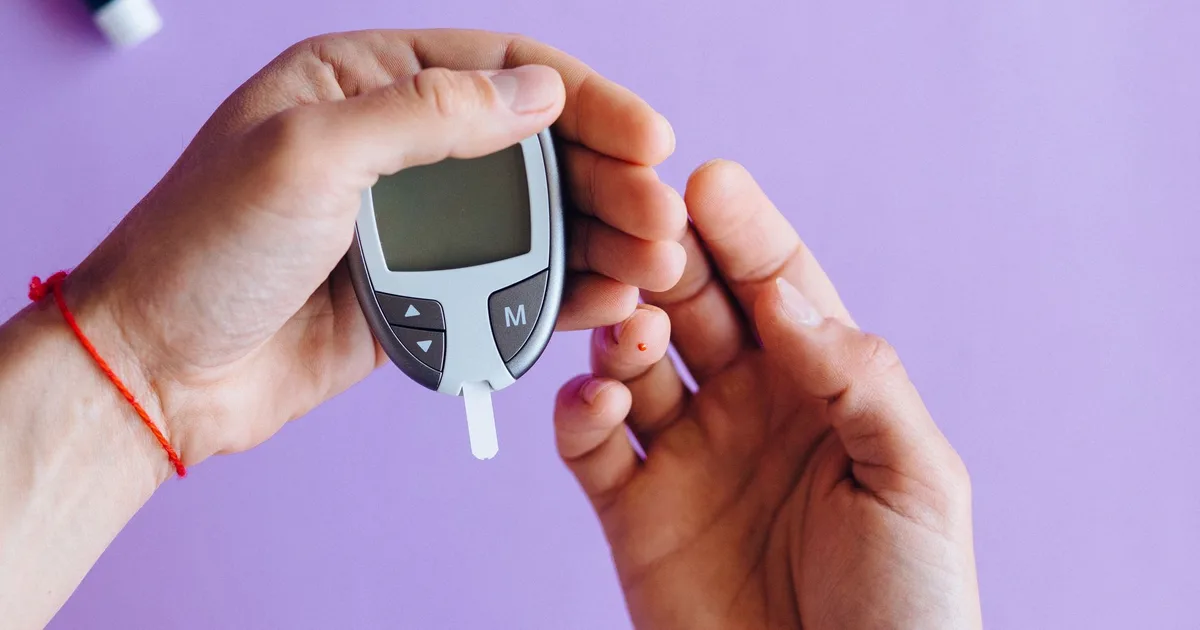
- Monitor your blood glucose before and 30 minutes after a known high-stress event for three separate instances. Use a fingerstick meter or continuous glucose monitor (CGM, a wearable sensor that measures glucose in the fluid beneath the skin continuously throughout the day) to document the direct impact stress has on your glucose readings. Seeing the cortisol-glucose connection in your own data is one of the most powerful motivators for consistent stress management practice.
Within 2 to 3 weeks of daily practice, most people notice fewer glucose spikes during typically stressful parts of the day. Hemoglobin A1c improvements of 0.2 to 0.4 percentage points typically appear after 8 to 12 weeks of sustained practice. This contribution combines additively with the dietary and exercise strategies in Articles 2 and 3 to produce the total HbA1c reduction tracked in Article 4.
Step 3: Eat Your Largest Meal Before 3 PM

WHY THIS MATTERS
Your body's ability to handle glucose is not constant throughout the day. It follows a circadian rhythm controlled by your internal clock. Insulin sensitivity peaks in the morning and declines steadily from late afternoon through the evening. This means the exact same meal eaten at 8 am will produce a significantly smaller glucose spike than the identical meal eaten at 8 pm. Late eating forces your body to process nutrients when its metabolic machinery is winding down for the night, leading to prolonged elevated blood sugar, increased fat storage, and disrupted sleep quality. Shifting your calorie distribution earlier in the day aligns your eating pattern with your biology instead of fighting against it.
- Track your current meal timing for three days without changing anything. Write down the time and approximate calorie content of each meal and snack. Calculate what percentage of your total daily intake happens after 3 pm versus before 3 pm. Most people discover they consume 50 to 70 percent of their calories in the evening, which is the primary driver of the postprandial glucose pattern this step addresses.
- Redesign your daily eating schedule so that breakfast and lunch together provide 60 to 70 percent of your total calories. For example, if you eat 1,800 calories per day, aim for 600 to 700 calories at breakfast, 500 to 600 calories at lunch, and 400 to 500 calories at dinner. Apply the dietary framework you chose in Article 2 to structure these early meals. A practical starting point: make breakfast your protein-heaviest meal (25 to 35 grams, consistent with the protein targets in Article 3) and make lunch your carbohydrate-heaviest meal, when insulin sensitivity is at its daily peak.
- Finish your last meal or snack at least 2 to 3 hours before bedtime. If you go to bed at 10 pm, stop eating by 7 pm or 8 pm at the latest. This allows insulin levels to drop before sleep begins, improving overnight glucose stability and next-morning fasting values. This cutoff also sets up the overnight fasting window in Step 4.
- If hunger strikes in the evening, use non-caloric options first. Drink herbal tea, sparkling water, or black coffee. If genuine hunger persists after 20 minutes, choose a small, low-glycemic snack under 100 calories such as 10 raw almonds, a stalk of celery with 1 tablespoon of hummus, or 3 ounces of plain Greek yogurt.
- Measure your fasting glucose every morning for seven days before and after implementing this meal timing shift. Record your readings in your tracking document from Article 1 or the log from Article 4. Most people see a 5 to 15 mg/dL drop in fasting glucose within one week of front-loading calories earlier in the day.
Expect improved fasting glucose within 5 to 7 days and noticeable reductions in post-meal glucose spikes within 10 to 14 days. The shift may feel uncomfortable for the first three days as hunger patterns adjust to the new timing; by day five, most people report feeling more satisfied and energized during the day and less driven to eat heavily in the evening.
Step 4: Implement A 12-To-14-Hour Overnight Fast

WHY THIS MATTERS
Your digestive system, liver, and pancreas operate on circadian rhythms just like your sleep-wake cycle. Giving these organs a consistent 12- to 14-hour overnight break allows insulin levels to drop to baseline, liver glycogen stores to stabilize, and cellular repair processes to activate. This is not extreme fasting. It is simply condensing your eating window to match your body's natural rhythm. Most people achieve this by finishing dinner by 7 pm and not eating again until 7 am to 9 am the next morning. Time-restricted eating (the practice of limiting all caloric intake to a defined window each day) in this moderate range has been shown in randomized trials to improve insulin sensitivity, reduce fasting glucose, and lower hemoglobin A1c without requiring calorie restriction or macronutrient changes.
- Identify your current eating window by noting the time of your first and last calorie intake yesterday. For example, if you had coffee with cream at 7 am and finished a snack at 9:30 pm, your eating window was 14.5 hours. Write this number down. Most people start with a 14- to 16-hour eating window and need to compress it by 2 to 4 hours to reach the 12-hour overnight fast target.
- Choose a 12-hour overnight fasting window that fits your schedule and commit to it for 14 consecutive days. Common options include 7 pm to 7 am, 8 pm to 8 am, or 6 pm to 6 am. Write your chosen window on a sticky note and place it on your refrigerator as a daily visual reminder. The first three mornings may include mild hunger or lightheadedness as hunger hormones recalibrate; this typically resolves by day four.
- Drink only non-caloric beverages during your fasting window. Water, black coffee, unsweetened tea, and sparkling water are permitted. Avoid anything with calories, including milk, cream, juice, or flavored drinks, as even small amounts of calories can trigger an insulin response and break the fasting benefit.
- Extend your fasting window by 30 minutes every 3 to 4 days until you reach 14 hours if your schedule and hunger levels allow. For example, if you start with a 12-hour fast (7 pm to 7 am), shift your morning break-fast to 7:30 am after three days, then to 8 am after another three days. Gradual progression minimizes hunger and allows your hunger hormones to adapt without the sharp discomfort that comes from abrupt changes.
- Use your continuous glucose monitor or fasting fingerstick glucometer readings to track how your morning glucose responds to the overnight fast each week. Most people see a 5 to 15 mg/dL drop in fasting glucose within 7 to 10 days. If fasting glucose rises rather than falls, or if you experience extreme hunger that interferes with daily function, shorten your fasting window by one hour and reassess after another week before extending again.
Within 10 to 14 days, expect your fasting glucose to drop by 8 to 15 mg/dL and your hunger patterns to stabilize as ghrelin (the hunger-initiating hormone) adapts to the new eating schedule. After 8 to 12 weeks of consistent time-restricted eating, hemoglobin A1c typically decreases by 0.2 to 0.4 percentage points. This contribution combines with the dietary and exercise changes in Articles 2 and 3 to produce the full metabolic improvement tracked in Article 4.
Step 5: Get Bright Light Exposure Within 2 Hours Of Waking

WHY THIS MATTERS
our circadian clock governs not just sleep and wakefulness but also insulin secretion, glucose production, and fat metabolism. The master clock resides in your brain's suprachiasmatic nucleus (the brain region that acts as the master circadian clock, coordinating all biological rhythms in response to light signals received through the eyes) and relies on bright light exposure, specifically in the morning, to synchronize all of these metabolic processes. When you wake up and spend your morning indoors under dim artificial light, your circadian system receives weak signals and drifts out of alignment. This misalignment impairs glucose tolerance, delays peak insulin sensitivity, and blunts your body's ability to clear glucose efficiently throughout the day.
Morning light exposure is not a wellness trend. It is a free, evidence-based intervention that directly improves glucose metabolism by resetting your internal clock every single day. The metabolic benefit is strongest with outdoor natural daylight and occurs whether or not you are also exercising, making it one of the lowest-effort, highest-return interventions in this entire series.
It is important to note that the primary evidence base for morning light and glucose improvement focuses on overall glucose control throughout the day, including reduced postprandial spikes and more time in the normal range, rather than on isolated fasting glucose reduction. The mechanism is well-established: morning light synchronizes the suprachiasmatic nucleus, which coordinates insulin secretion timing and glucose production by the liver across the full 24-hour cycle. Individual fasting glucose responses to this intervention vary and are best tracked personally over 7 to 14 days using the method in Action Step 5 below.
- Step outside for 10 to 30 minutes within one hour of waking, before you check your phone or begin work. Stand or walk in direct outdoor light if available; even overcast daylight provides substantially more light intensity than indoor artificial lighting. If outdoor access is not possible, sit within three feet of a window facing east or south for 30 minutes while you drink your morning coffee or eat breakfast.
- Use a light therapy lamp rated at 10,000 lux (a unit of light intensity; standard indoor lighting measures 300 to 500 lux while natural daylight reaches 10,000 to 100,000 lux depending on cloud cover) if you wake before sunrise or live in a region with limited winter daylight. Place the lamp at eye level, 16 to 24 inches from your face, and use it for 20 to 30 minutes while you eat breakfast or read. Peripheral exposure is sufficient; do not stare directly at the light source.
- Avoid wearing sunglasses during your morning light exposure unless medically necessary. Light must enter your eyes to reach the photoreceptors that signal your suprachiasmatic nucleus. Sunglasses block the short-wavelength blue light that is most effective for circadian entrainment (the process of aligning your internal clock to external light-dark signals).
- Combine morning light exposure with a short outdoor walk to amplify the metabolic benefit. A 10- to 15-minute walk in natural morning light activates both circadian reset and the insulin-independent muscle glucose uptake pathway covered in Article 3, creating a compounding effect that neither intervention produces as strongly on its own.
- Track your morning light exposure and corresponding fasting glucose for 14 days. Each morning, note whether you got bright light within two hours of waking (yes or no) and record your fasting glucose. After two weeks, calculate your average fasting glucose on light-exposed days versus days you stayed indoors. This personal data gives you direct evidence of whether this intervention is producing a measurable effect in your own metabolism.
Within 7 to 14 days of consistent morning light exposure, most people notice more stable energy throughout the day and reduced afternoon glucose spikes. Individual fasting glucose responses vary; personal tracking over two weeks as described in Action Step 5 is the most reliable way to quantify the benefit for your specific biology. The strongest and most consistently documented effects are on postprandial glucose control and time in the normal glucose range rather than on fasting glucose in isolation.
The Big Picture: How All Five Articles Work Together
You now understand why perfect nutrition and consistent exercise can still leave blood sugar stubbornly elevated if sleep, stress, and meal timing remain out of sync with your biology. Sleeping 7 to 9 hours nightly restores insulin receptor sensitivity and balances hunger hormones. Daily stress management lowers cortisol and prevents stress-induced glucose spikes. Eating your largest meal before 3 pm aligns calorie intake with your body's natural insulin sensitivity rhythm. Implementing a 12- to 14-hour overnight fast gives your metabolic machinery the rest it needs to reset. Morning bright light exposure synchronizes your circadian clock and improves glucose control throughout the day. These are not optional add-ons. They are the foundation that makes every dietary and exercise choice work better.
If you have worked through all five articles in this series, you now have a complete, integrated system for reversing insulin resistance. Article 1 gave you the hormonal framework and your baseline measurements. Article 2 gave you the dietary strategy matched to your biology. Article 3 gave you the muscle-building and movement protocols that create insulin-independent glucose clearance. Article 4 gave you the lab panel that proves the system is working with objective numbers. This article has given you the behavioral and circadian layer that either amplifies or quietly undermines everything else.
When progress stalls, the answer is almost always in one of two places: an intervention category that has not yet been fully implemented, or a hidden variable from this article that is silently offsetting the gains made elsewhere. Return to the five-category self-assessment from Article 1, identify the category with the lowest current rating, and direct your next committed effort there. Use the lab panel from Article 4 to confirm which markers are moving and which are not. Let the data guide the adjustment rather than guessing.
The effort required across all five areas is honest but manageable. Adjusting your sleep schedule takes discipline for the first week, then becomes automatic. Structured stress management feels unfamiliar initially but becomes a daily anchor by week two. Shifting meal timing requires active planning for three to four days, then settles into a new normal. The overnight fast feels challenging for the first few mornings, then hunger hormones adapt. Morning light exposure is the simplest intervention of all: step outside, stand in the light, and let your biology do the rest. None of these steps require expensive equipment, advanced knowledge, or hours of your time. They require only consistency and a willingness to prioritize your metabolic health over old habits.
Start tonight by setting your target bedtime. Track your sleep for the first seven days. Then add one step per week in the order that your self-assessment from Article 1 suggests matters most. Use your fasting glucose each morning and your quarterly lab panel from Article 4 to document the impact of each addition in real time. Share your results with your healthcare provider to guide medication adjustments and to celebrate measurable, documented progress.
Your blood sugar is not controlled by food and exercise alone. It is controlled by the intersection of nutrition, movement, sleep, stress, and circadian timing. You now have the complete roadmap for all five. The next step is the one you take tonight.
What to Do Next
You have three immediate options based on where you are in the process.
- Option 1: If you have not yet completed the dietary framework selection from Article 2, "How to Choose the Right Diet to Reverse Insulin Resistance," read that next to build the nutrition foundation that makes these circadian and behavioral strategies work at full effect.
- Option 2: Use a simple sleep log or wearable tracker to monitor your sleep duration for seven consecutive nights starting tonight. Track your bedtime, wake time, and next-morning fasting glucose to document the direct connection between sleep and blood sugar control. Bring your completed log to your next physician appointment alongside the hunger and symptom tracking from Article 1.
- Option 3: Review your lab panel progress using the full measurement system in Article 4, "How to Measure Insulin Resistance Reversal: The Lab Panel That Proves It's Working." Compare your most recent fasting insulin, HOMA-IR, TG/HDL ratio, and HbA1c against your baseline values from Article 1 to confirm which variables are improving and which may still need targeted attention from this article's protocols.