
Finding Peace in a Busy World: Why Rest and Reflection Matter
Have you ever felt overwhelmed by the constant rush of life, as if you’re running on empty but can’t stop? You’re not alone. Many of us struggle with stress, uncertainty, and a sense of disconnection that leaves us feeling lost or stuck. It’s easy to get caught in the cycle of pushing harder, thinking more, and rarely pausing to simply be.
This is why cultivating moments of rest, gentle stretching, and positive reflection is so important. These practices are not just about relaxation, they are gateways to deeper healing and growth. When we stop trying to control every outcome and instead allow ourselves to rest and reflect, we create space for resilience, meaning, and emotional renewal.
To begin this journey, it’s helpful to stop:
- Trying to solve every problem all at once without pause.
- Ignoring the body’s need for rest and gentle movement.
- Letting negative thoughts dominate without consciously shifting focus to positive growth.
By letting go of these habits, you open yourself to the hidden dimension of healing that modern medicine is only beginning to recognize, the profound power of spirituality expressed through rest, reflection, and connection.
This gentle approach can help you find a reason to wake up each day with renewed purpose and peace, even amid life’s challenges.
Step 1: Cultivating Resilience Through Spiritual Connection
At the heart of spiritual growth lies the ability to build resilience, the inner strength to face life’s inevitable challenges with courage and hope. Spirituality offers more than comfort; it provides a foundation that helps individuals withstand adversity and find reasons to keep moving forward, even in the darkest moments.
Faith and spirituality have been shown to effectively reduce suicidal thoughts and behaviors, providing a vital lifeline for those struggling with despair. This connection offers emotional stability and a sense of purpose that can buffer against mental health crises. Dr K (Alok M. Kanojia psychiatrist) shared, faith and spirituality “help individuals build resilience to face life’s challenges” and provide “a reason to wake up in the morning and keep going.” (The Diary Of A CEO, 2025).
Moreover, spiritual beliefs can foster hope during suffering, such as illness or loss, by offering existential comfort and the belief in a loving presence beyond this life. This hope strengthens emotional endurance and reduces feelings of isolation.
Begin each day by reflecting on a source of strength or hope that resonates with you, whether it’s a belief, a value, or a connection to nature. Let this reflection be your anchor through the day.
Step 2: Finding Meaning and Purpose Beyond the Surface
Spirituality invites us to explore the deeper questions of life: Why am I here? What truly matters? This search for meaning and purpose is a powerful antidote to feelings of emptiness or being lost. Engaging in spiritual practices, such as thoughtful reflection, prayer, or quiet contemplation, can evoke experiences that clarify our internal sense of direction and control.
Studies and personal testimonies reveal that cultivating spirituality helps individuals find an internal sense of meaning and control, which is linked to improved mental health and life satisfaction. Greg Koukl (Christian) offers a poignant observation: “God has made us for a purpose and the purpose flows from that meaning,” highlighting the deep human yearning for significance (The Diary Of A CEO, 2025).
This sense of purpose is not only emotionally fulfilling but also associated with better health outcomes, including lower rates of depression and greater resilience in the face of trauma or chronic illness.
Set aside a few minutes daily to journal or quietly reflect on what gives your life meaning. Notice how this awareness influences your choices and feelings.
Step 3: Embracing Rest and Reflection as Spiritual Practices

Modern medicine increasingly recognizes that healing is not just physical but deeply connected to our mental and spiritual well-being. Rest, gentle stretching, and reflective thinking are simple yet profound spiritual practices that prepare the body and mind for healing and growth.
These practices help dissolve the ego, the sense of a separate self, and open us to transcendent experiences of connection and peace. Dr K (Alok M. Kanojia - psychiatrist) explained, “To connect with the divine, one needs to dissolve their ego as much as possible,” emphasizing the importance of letting go of rigid self-identifications.(The Diary Of A CEO, 2025).
Incorporating these practices can reduce stress, lower blood pressure, and improve immune function, contributing to overall physical health. Taking time to pause and breathe deeply during a stressful day can shift your perspective, allowing you to respond with calmness rather than reactivity.
Incorporate brief moments of rest and mindful breathing into your daily routine. Use these breaks to reconnect with a higher power, God, or whatever else you believe in, and to connect with the present moment.
Step 4: Building Community and Connection Through Shared Spirituality

Spirituality flourishes in community. Being part of a group that shares your values or spiritual outlook fosters belonging, support, and resilience. This connection reduces isolation and nurtures emotional well-being, reminding us that we are not alone in our journey.
A study by the Harvard T.H. Chan School of Public Health (2024) found that “spiritual community participation… is associated with healthier lives, including greater longevity, less depression and suicide, and less substance use.” Whether it’s a faith-based group, a meditation circle, or a nature club, these communities provide a sacred space where individuals can share their struggles and triumphs.
Seek out or create a community where you feel safe to express your spiritual beliefs and experiences. Regularly engage with this group to strengthen your sense of belonging.
Step 5: Practicing Compassion and Kindness Toward Self and Others

Spiritual growth is deeply intertwined with cultivating compassion, both for ourselves and for those around us. Mindfulness practices that encourage non-judgmental awareness help us recognize our inherent worth and the shared humanity in others.
Jon Kabat-Zinn beautifully reminds us: “The world needs all its flowers and you’re one, whether your mind says in is like depressive rumination or not.” (Dartmouth, 2011). This encourages us to embrace our unique beauty and gifts without waiting for external validation.
Compassion practices have been linked to reduced anxiety, improved emotional regulation, and even positive changes in brain regions associated with empathy and social connection.
When you notice self-judgment or harsh thoughts, pause and consciously replace them with gentle, affirming words. Extend this kindness outward in your interactions.
Step 6: Trusting Inner Wisdom and Intuition
Spirituality invites us to listen deeply to our inner guidance, our intuition and heart’s wisdom. This trust helps us navigate complex decisions and relationships with clarity and confidence, reducing overthinking and confusion.
Jon Kabat-Zinn advises, “When making decisions, especially complex ones like relationships, hold your overthinking in awareness and listen to your deeper intuition.” (Dartmouth, 2011). Reflecting on past experiences can reveal patterns and lessons that inform present choices.
Trusting this inner wisdom is associated with better stress management and greater psychological well-being.
Practice reflective meditation before making important decisions. Ask yourself what your deeper intuition suggests and honor that guidance.
Step 7: Creating Sacred Spaces for Healing and Presence

Healing flourishes in environments where presence and mindfulness are honored. Creating sacred spaces, whether physical or mental, allows us to be fully present with ourselves and others, fostering holistic healing.
Dr. Christina Puchalski described the patient encounter as a “sacred space,” where being fully present can transform care and connection. One healthcare provider shared, “That breath is my reminder of what my call is to serve my patients and to be present for whatever might be there.” (American Medical Association, 2025).
Such presence has been shown to reduce patient anxiety, improve satisfaction, and even enhance clinical outcomes.
Designate a small area or time in your day as a sacred space for rest, reflection, or prayer. Approach this time with intention and openness.
Step 8:. Overcoming Challenges with Patience and Self-Acceptance
Spiritual growth is not a quick fix or a simple checklist. It is a nuanced, ongoing journey that requires patience, openness, and humility. Oversimplifying this process can lead to frustration or disillusionment.
Jon Kabat-Zinn reminds us, “No one is perfect at mindfulness; progress is about being a little more present than on automatic pilot.” (Dartmouth, 2011).
This compassionate approach nurtures spiritual growth and resilience, recognizing progress as gradual and imperfect.
When negative thoughts or feelings arise, avoid self-harm or harsh self-criticism. Instead, gently return to awareness with kindness. This practice fosters healthier habits and self-acceptance.
When overwhelmed by difficult emotions or thoughts, pause and bring mindful attention to one task or sensation at a time. Treat yourself with the same kindness you would offer a dear friend.
Step 9: Integrating Spirituality into Everyday Life
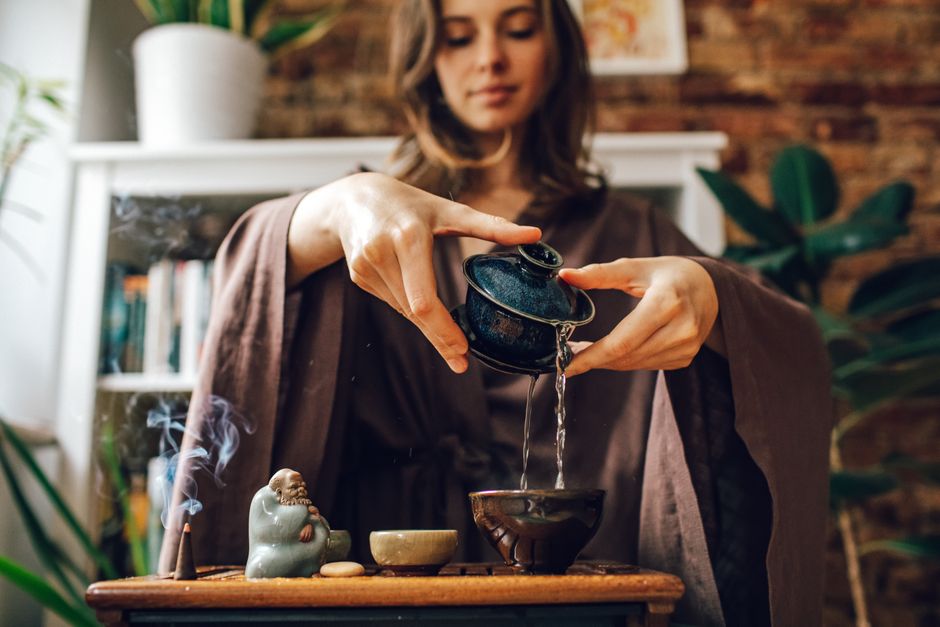
True spirituality is not confined to formal practices but is woven into the fabric of daily living. Approaching each moment with mindfulness, gratitude, and presence transforms ordinary experiences into opportunities for spiritual connection.
Jon Kabat-Zinn encourages us to “drop into the present moment regularly” and “bring mindfulness into daily activities,” such as walking or eating, to deepen our connection to life’s sacredness (Dartmouth, 2011).
This ongoing practice supports emotional balance, reduces stress, and promotes overall health.
Choose one daily activity to perform mindfully, fully engaging your senses and attention. Notice how this shifts your experience.
Step 10: Recognizing Spirituality as Essential to Whole-Person Healing
Modern medicine is increasingly embracing the understanding that health encompasses body, mind, and spirit. Spirituality is not an optional add-on but a vital domain of whole-person care that supports emotional resilience, meaning, and overall well-being.
Research from Harvard T.H. Chan School of Public Health (2024) emphasizes that “attention to spirituality in serious illness and in health should be a vital part of future whole person-centered care.” Recognizing and respecting spirituality helps patients feel more connected and supported, improving outcomes and quality of life.
Advocate for or seek out care that respects your spiritual needs alongside physical and emotional health.
Healing is most profound when it embraces the whole person.
By embracing these steps, you open pathways to resilience, meaning, and profound well-being that modern medicine alone cannot fully provide.
Message for you:
As we come to the close of this journey into the hidden dimension of healing, remember that cultivating spirituality is a deeply personal and ongoing process. It’s not about perfection or rushing toward some final destination, but about embracing each small step with patience, kindness, and openness. Every moment of rest, reflection, and connection you nurture adds to your resilience and sense of purpose, helping you face life’s challenges with renewed hope and strength.
You are not alone in this path. Whether it’s pausing to breathe deeply, reflecting on what truly matters, or reaching out to a supportive community, these gentle practices build a foundation for lasting well-being. As Jon Kabat-Zinn reminds us, progress is simply “being a little more present than on automatic pilot,” and that is more than enough (Dartmouth, 2011).
So today, give yourself permission to take one small, pressure-free step, perhaps a quiet moment of reflection, a mindful breath, or a kind word to yourself. Let this be a seed planted in the fertile ground of your life, ready to grow in its own time.
If this message has touched you, consider saving it for when you need a reminder, sharing it with someone who might benefit, or leaving a comment to share your thoughts and experiences. There is no rush, no expectation, just a warm invitation to explore and grow at your own pace.