
The Diet War Nobody Needs To Win
You have almost certainly heard both sides. One camp insists that a whole-food, plant-based diet is the only evidence-based path to reversing insulin resistance. The other camp holds that carbohydrates are the primary cause of elevated insulin and that eliminating them is the cleanest solution. Both camps cite peer-reviewed research. Both camps produce real results for real people. And both camps are partially right.
The argument misses the more important question, which is not which diet wins but which diet wins for you. As established in Article 1, an estimated 589 million adults worldwide currently live with diabetes, representing approximately 11.1% of the global adult population (International Diabetes Federation, 2025). That population is not biologically identical. They differ in gut microbiome composition, liver fat levels, medication burdens, food environments, and cultural food traditions. A framework that causes one person's HOMA-IR (Homeostasis Model Assessment of Insulin Resistance, a calculated score derived from fasting glucose and fasting insulin, with the full calculation method provided in Article 4) to fall from 3.8 to 1.4 in twelve weeks can be unsustainable or even counterproductive for someone else.
An estimated 589 million adults worldwide currently live with diabetes, representing approximately 11.1% of the global adult population.
This article presents both dietary frameworks honestly, explains the biological mechanism behind each, and then gives you a structured decision process to identify your best starting point. It also introduces three universal meal tactics that improve blood sugar outcomes regardless of which framework you choose. No ideology is required, only biology and practicality.
Step 1: Understand Why Your Cells Are Resisting Insulin

WHY THIS MATTERS
You cannot choose the right tool until you understand the problem the tool needs to solve. Insulin resistance at the cellular level does not look the same in everyone. For some people, the primary site of resistance is skeletal muscle, the largest glucose-disposal organ in the body. For others, the primary site is the liver. For many, it is both. The two main dietary frameworks target these sites through different mechanisms, which is why one framework can work brilliantly for one person and produce minimal results for another.
This matters because it shows that the fat blocking your insulin signal is not fixed. It responds to what you eat, and it can start responding within weeks, not years.
If you have been spinning your wheels trying to follow advice that works great for someone else, this is why. Your biology is real. The next four steps help you figure out which approach matches it.
- Get a piece of paper or open a notes app on your phone and write down three questions exactly as they appear here, leaving space under each one for your answer. Do this now, before you read further. It takes two minutes and it only needs to happen once.
- Answer the first question: Do you carry most of your excess weight around your abdomen rather than your hips and thighs? Stand in front of a mirror or simply place both hands flat against your stomach. If your midsection is the widest part of your body, write "yes." If your weight sits lower, around the hips, write "no." This takes thirty seconds.
- Answer the second question: Do you feel hungry again, tired, or mentally foggy within 90 minutes of finishing a carbohydrate-heavy meal? Think about the last three times you ate pasta, bread, rice, or a sweet snack. Write down what your energy felt like one hour afterward. If you regularly wanted to sit down, reach for coffee, or felt irritable, write "yes." This takes two minutes and works best done after your next meal so the memory is fresh.
- Answer the third question: Are you currently taking any diabetes medication, including insulin, metformin, or a pill your doctor prescribed specifically for blood sugar? Check your current medications before answering if you are unsure. Write "yes" or "no." This takes one minute. If the answer is yes, call or message your doctor before changing anything you eat. This is not optional. Both diets in this article can lower blood glucose quickly, and your medication dose may need adjusting within the first week.
- Read your three answers and identify the framework they point toward. If two or three are "yes," especially questions one and two, write "Starting framework: WFPB" at the bottom of the page and proceed to Step 2. If your strongest "yes" is question two alone with a "no" to question one, write "Starting framework: LCHF" and proceed to Step 3. If you are genuinely uncertain after this exercise, start with Step 2 (WFPB) and set a calendar reminder to evaluate your response at six weeks using the markers in Article 4. This takes three minutes and gives you a starting hypothesis to carry into the next steps.
Completing Step 1 gives you a biological hypothesis about your primary insulin resistance pathway. It does not give you a diagnosis or a prescription. It gives you a starting question to take to Step 2 or Step 3 and, eventually, to your physician.
Step 2: The WFPB Framework, What It Is And Whom It Fits Best
WHY THIS MATTERS
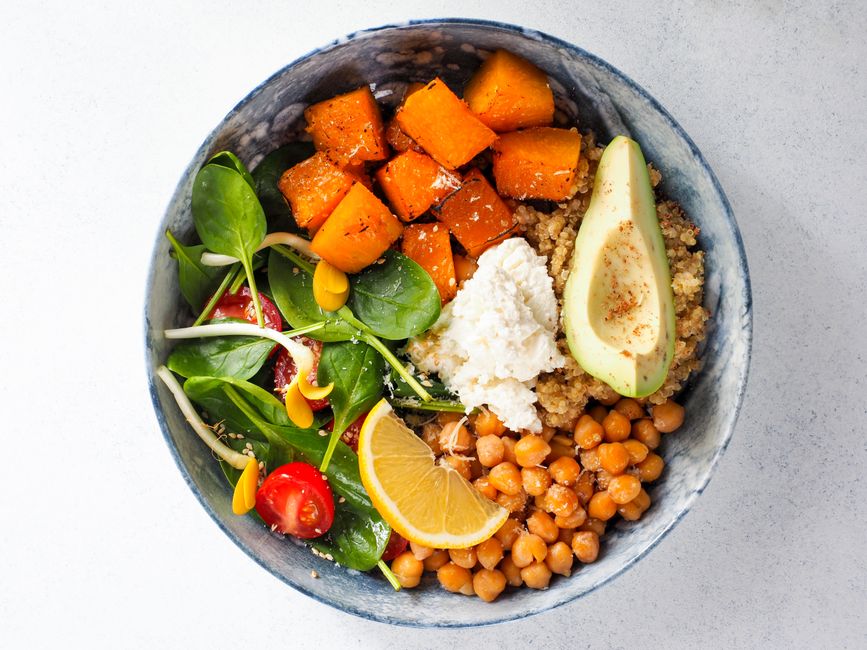
The whole-food, plant-based framework removes nearly all animal products and processed fats from the diet and replaces them with vegetables, fruits, legumes, whole grains, and small amounts of nuts and seeds. Because dietary fat drops substantially, the fat available to infiltrate muscle cells is reduced. Because fiber intake increases substantially, gut bacteria produce short-chain fatty acids (SCFAs, compounds produced by bacterial fermentation of dietary fiber that support insulin receptor function and reduce systemic inflammation) that improve the metabolic environment around insulin signaling (Baxter et al., 2019).
If you carry extra weight around your midsection and your energy tends to crash after meals, this finding is pointing directly at your situation. Clearing the fat from your muscle cells is one of the most powerful things you can do for insulin sensitivity, and this diet does it without requiring you to go hungry.
What this tells you practically is that food changes can sometimes move the needle on medication within weeks, which is why your physician needs to know you are making this shift before you start.
Who Fits the WFPB Framework Best
The WFPB approach tends to produce the strongest results in people who carry significant abdominal and liver fat; tolerate legumes and high-fiber foods without digestive distress; have elevated LDL cholesterol or a family history of heart disease; live in food environments where fresh produce and whole grains are accessible; and cook or prepare meals at home several times per week.
People who experience significant bloating or digestive discomfort with high-fiber diets should transition gradually, increasing fiber intake by no more than 5 to 7 grams per week, rather than making an abrupt switch (Kahleova et al., 2020).
The WFPB approach requires active planning to ensure adequate protein from plant sources (legumes, tofu, tempeh, edamame, seeds) and supplementation of vitamin B12, which is absent from plant foods. Neglecting protein during a WFPB transition can accelerate muscle loss, which matters because skeletal muscle is your primary glucose disposal organ. See Article 3 for the full muscle-glucose relationship and specific protein targets for plant-based eaters.
- Choose one meal today, just one, and swap its animal protein for a plant-based alternative from this exact list: half a cup of cooked lentils, half a cup of black beans, half a cup of chickpeas, or half a cup of frozen edamame thawed in warm water. Do not change anything else about the meal. This swap takes the same amount of time as opening a can or reheating something from the fridge. Do this at one meal per day, every day, for the first seven days. The first time may feel like something is missing from the plate. That feeling typically fades by day three as satiety from fiber and protein kicks in.
- The morning after your first swap meal, add one tablespoon of ground flaxseed or chia seeds to whatever you normally eat for breakfast. Stir it in, sprinkle it on top, or blend it in if you make a smoothie. Either seed works. Ground is better absorbed than whole for flaxseed specifically. This takes thirty seconds and happens every morning from this point forward.
- On day two of the week, cook a double batch of either lentils or a canned bean of your choice, season it simply with salt, and store it in a sealed container in the refrigerator. This is your fallback protein for the next three days when planning fails or time runs short. A double batch takes approximately twenty-five minutes of mostly hands-off cooking time and needs to happen once at the start of each week.
- On day two, purchase a bottle of cyanocobalamin B12 supplement at 500 to 1,000 mcg from any pharmacy or grocery store and take one tablet daily with your first meal of the day. This takes ten seconds once you have the bottle. Plant foods contain no B12, and deficiency develops silently over months, so this step is not optional regardless of how well the rest of the transition is going.
- At the end of day seven, sit down for five minutes with your notes from Step 1 and write two observations: first, what your post-meal energy felt like this week compared with last week, and second, whether your hunger between meals increased, decreased, or stayed the same. These two signals are your early indicators that the diet is or is not working for your specific biology. You will use these notes when you read Article 4 and request your first follow-up lab panel.
Most people following a WFPB approach report reduced post-meal hunger within one to two weeks as fiber slows gastric emptying and increases satiety hormone release. Lab markers (fasting glucose, fasting insulin) typically begin shifting within four to six weeks. HbA1c, which reflects a three-month average, requires at least eight weeks before change is detectable on a lab test.
Step 3: The LCHF Framework, What It Is And Whom It Fits Best

WHY THIS MATTERS
The low-carbohydrate, high-fat framework reduces dietary carbohydrate to a level that suppresses postprandial (after-meal) insulin secretion substantially. When carbohydrate intake drops below 50 grams per day (the ketogenic threshold), the body shifts to producing ketones (molecules produced when the liver metabolizes fat in the absence of sufficient carbohydrate, used as an alternative fuel by the brain and muscles) as a primary fuel source, a metabolic state called ketosis (the condition of elevated blood ketone levels resulting from very low carbohydrate intake). At higher carbohydrate thresholds (50 to 130 grams per day), the approach is classified as low-carbohydrate without full ketosis. Both levels reduce insulin demand significantly compared with a standard Western diet, and both have demonstrated glycemic benefits in clinical trials (Zhu et al., 2025; Tay et al., 2015).
If you have been told your diabetes is progressive and essentially permanent, that finding deserves a moment to land. More than half of the participants in that trial reached remission, and the five-year follow-up showed those results held. That is not a fluke. That is a pattern worth taking seriously.
Across multiple randomized controlled trials, people with Type 2 diabetes who followed a low-carbohydrate diet consistently showed meaningful reductions in both their three-month blood sugar average and their fasting blood glucose compared with control groups eating a standard diet (Zhu et al., 2025). Low-carbohydrate eating does not just manage blood sugar. It changes the hormonal signal that caused the problem in the first place.
The practical point here is that fat quality matters as much as carbohydrate quantity. Swapping bread for bacon is not the same as swapping bread for avocado, olive oil, and salmon. The trial that produced the best results used healthy fats, and that is the version worth replicating. The timing of your fat and carbohydrate intake also matters; Article 5 shows that eating your largest meal after 5 pm impairs glucose tolerance even when total intake stays the same.
Who Fits the LCHF Framework Best
The LCHF approach tends to produce the strongest results in people who experience dramatic post-meal blood sugar spikes and crashes; carry a triglyceride-to-HDL ratio above 2.0 (women) or above 3.0 (men), a pattern strongly associated with insulin-driven fat storage; have tried increasing fiber without resolving blood sugar volatility; tolerate higher fat intake without digestive discomfort; and can commit to tracking carbohydrate grams, at least initially, until food choices become habitual.
The LCHF framework requires attention to fat quality. Replacing carbohydrates with saturated fats from processed meats and dairy products does not produce the same metabolic outcomes as replacing them with monounsaturated and polyunsaturated fats from olive oil, avocado, fatty fish, and nuts. Additionally, some individuals, particularly lean or low-BMI individuals, may experience LDL cholesterol elevation on an LCHF diet; this risk warrants lipid monitoring at the four-week and twelve-week marks (Nishi et al., 2024). People with kidney disease, a history of pancreatitis, or markedly elevated LDL cholesterol should discuss LCHF adoption with their physician before starting.
- Today, go through your kitchen and remove every drink that contains added sugar: sodas, juices, sports drinks, sweetened teas, and flavored coffees. Place them in a bag and put them outside your normal reach, either in a separate area or out of the house entirely. Replace them with still water, sparkling water, or plain black coffee or tea. This single elimination typically removes 50 to 80 grams of carbohydrate from your day immediately, without touching a single meal. It takes ten minutes to do once and changes your carbohydrate baseline from the first day. Give it three days before deciding whether it is manageable.
- Download a free carbohydrate-tracking app on your phone. Cronometer and Carb Manager both work well and are free. Spend five minutes setting up your account and entering your first meal. You are not aiming for perfection yet. You are simply learning what is in your food. Use it at every meal for the first fourteen days, five to ten minutes per meal, until the numbers become familiar enough that you no longer need to look everything up.
- Starting with dinner on day two, replace the starchy side dish on your plate (the rice, bread, pasta, or potato) with a non-starchy vegetable from this list: zucchini, spinach, cauliflower, broccoli, or green beans. Keep the protein portion of your meal exactly the same. Cook the vegetable however you like. This swap takes the same preparation time as the starchy alternative and happens at one meal per day for the first seven days before expanding to two meals per day in week two.
- At every meal this week, add one of the following healthy fat sources to your plate before you sit down: two tablespoons of olive oil drizzled over your vegetables, one-third of a ripe avocado sliced alongside your protein, or a small closed handful of walnuts, almonds, or macadamia nuts eaten at the start of the meal. This step takes thirty seconds and happens at every meal, every day. Fat is what prevents the hunger that drives carbohydrate cravings within two hours of eating, so this step is not optional.
- On day seven, open your tracking app and add up the net carbohydrates (total carbohydrates minus fiber grams, listed separately on any nutrition label) from the past three days. Write the average on your notes page from Step 1 alongside your energy observations for the week. If your average is above 130 grams per day, identify the one food contributing the most carbohydrates and make that your next elimination target for week two.
People following an LCHF approach typically notice reduced post-meal energy crashes within three to seven days as the insulin spike-and-drop cycle diminishes. Fasting glucose often falls within two to four weeks. People taking insulin or sulfonylureas must monitor blood glucose closely and contact their physician within the first week, because hypoglycemia (dangerously low blood glucose) risk increases as glucose control improves rapidly on this diet.
Step 4: Three Universal Tactics That Work Regardless Of Your Dietary Framework
WHY THIS MATTERS
Whether you choose WFPB, LCHF, or a hybrid approach, three evidence-based meal-time tactics reduce the insulin demand of any meal you eat. These tactics do not require changing your dietary framework. They layer on top of whichever approach you select and consistently reduce postprandial glucose and insulin excursions. They are the simplest changes that produce the most immediate, measurable results.
Tactic 1: Carbohydrate Sequencing
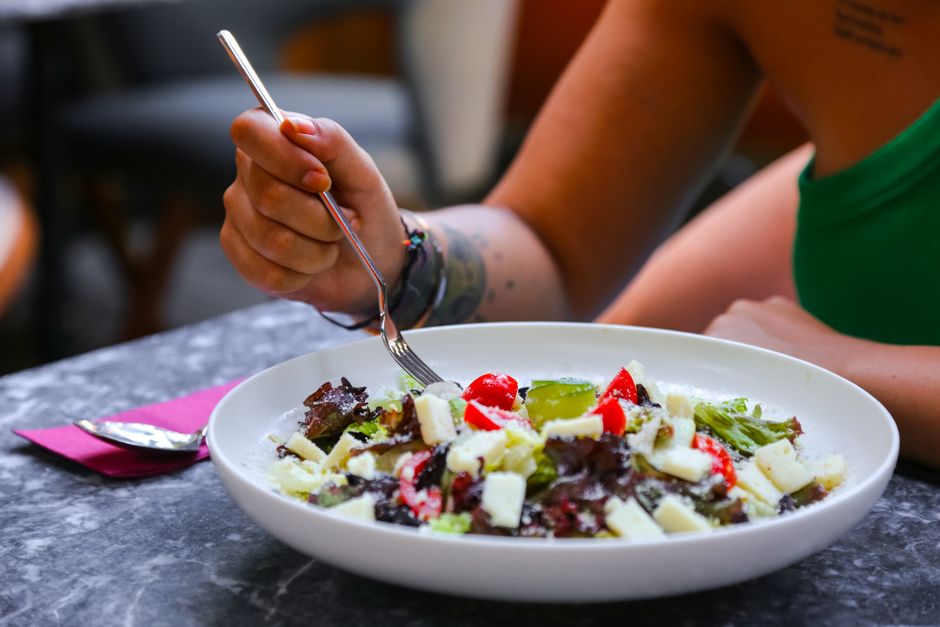
Eating vegetables and protein before carbohydrates at a meal reduces the postprandial glucose and insulin response compared with eating carbohydrates first. A 2017 randomized crossover study published in BMJ Open Diabetes Research & Care tested three meal-order conditions in adults with Type 2 diabetes: carbohydrates first, protein and vegetables first (with carbohydrates last), and a sandwich format mixing all components. The carbohydrate-last pattern produced significantly lower postprandial glucose and insulin excursions than the carbohydrate-first pattern. The authors concluded that the carbohydrate-last meal pattern may be an effective behavioral strategy to improve postprandial glycemia without any change in total food intake (Shukla et al., 2017). A 2024 study in Frontiers in Nutrition replicated the finding in women with prediabetes, confirming that eating carbohydrates after vegetables and protein improved postprandial glycemic spikes and insulin responses (Gunathilake et al., 2024).
Tactic 2: Resistant-Starch Preparation
When starchy foods (rice, potatoes, pasta) are cooked and then chilled for at least 8 to 12 hours before eating, the starch molecules reorganize into resistant starch (RS, a form that resists digestion in the small intestine and is fermented by bacteria in the large intestine rather than absorbed as glucose). A 2022 study published in Scientific Reports found that cooling rice after cooking reduced postprandial blood glucose increases in subjects with Type 1 diabetes (Strozyk et al., 2022). A 2019 study found that chilled potatoes high in resistant starch significantly reduced postprandial glucose and insulin in women with elevated fasting glucose (Higgins et al., 2019). Reheating the chilled food does not fully reverse the resistant-starch conversion. This means you can prepare a batch of rice or potatoes, refrigerate it overnight, and eat it (reheated or cold) the next day with a lower glycemic impact than freshly cooked versions.
Tactic 3: Acid Pre-Loading
Consuming a small amount of acidic food or liquid before or during a meal slows gastric emptying, reduces the speed of carbohydrate digestion, and blunts the postprandial glucose and insulin spike. The most-studied acidic preload is diluted vinegar. A 2004 crossover study in Diabetes Care found that consuming two tablespoons of vinegar diluted in water before a high-carbohydrate meal significantly improved postprandial insulin sensitivity in insulin-resistant subjects (Johnston et al., 2004). A 2025 systematic review and meta-analysis published in Frontiers in Nutrition, which pooled multiple clinical trials on vinegar consumption, confirmed that vinegar attenuates postprandial glucose and insulin responses across several populations (Frontiers in Nutrition, 2025).
Practical application: dissolve one to two tablespoons of apple cider vinegar or standard white vinegar in a large glass of water and drink it 10 to 15 minutes before your highest-carbohydrate meal of the day. To protect dental enamel, drink through a straw and rinse your mouth with plain water immediately afterward. Do not brush your teeth within 30 minutes of consuming vinegar, as the acid temporarily softens enamel and brushing during this window increases erosion risk. People with active gastritis or esophageal reflux should skip this tactic and substitute the juice of half a fresh lemon stirred into the same glass of water, which provides a milder acid effect. Note that the strongest trial evidence for vinegar's glycemic benefit is from studies lasting several weeks to a few months; long-term safety data for daily use over years has not been fully established in published research.
- Pick the one meal each day where you eat the most carbohydrates. This is your target meal for all three tactics this week. Write down what that meal usually is and what time you typically eat it. This decision takes two minutes and only needs to happen once. Having a named target meal prevents the common mistake of trying to apply all three tactics everywhere at once and quitting because it feels overwhelming.
- Thirty minutes before your target meal each day, cook your starchy component (rice, potatoes, or pasta) if it is freshly prepared, then set it aside to cool while you prepare everything else. If you prepared it the night before and refrigerated it, take it out of the fridge now and reheat it in a pan or microwave for two to three minutes. This takes two to three minutes of active time and happens every day at the meal you identified above. Overnight refrigeration is what creates the resistant starch that slows digestion, so skipping the chill defeats the purpose.
- Fifteen minutes before you sit down to eat your target meal, pour one standard glass of cold water, measure one to two tablespoons of apple cider vinegar or plain white vinegar directly into the glass using an actual tablespoon, stir it once, and drink it over the next five minutes. Do not sip it slowly over thirty minutes. Drink it within five minutes so the acetic acid reaches your stomach before the meal does. This takes five minutes and happens once per day before your target meal only. Chilling the water makes the taste significantly more tolerable. If you have acid reflux, substitute the juice of half a fresh lemon stirred into the same glass of water.
- When you sit down to eat your target meal, eat the non-starchy vegetables on your plate first, all of them, before touching the protein or the starch. Then eat the protein. Then finish with the starchy component last. Set a visual reminder on your plate by physically placing the starch at the far edge away from you when you serve it. This costs zero extra time and happens at every target meal, every day.
- On day three and again on day seven, check your blood glucose with a home glucometer (if you have one) at exactly 60 minutes and 90 minutes after finishing your target meal, and write both numbers down next to your baseline reading from before you started these tactics. If you do not have a glucometer, write down your energy level on a 1-to-5 scale at 60 minutes after the meal (1 = severe crash, 5 = stable and alert) for seven consecutive days. Either method tells you whether the tactics are producing a measurable effect in your body. This observation step takes three minutes and determines whether you continue, adjust, or need to speak with your physician about what the numbers mean.
Most people notice a reduction in the post-meal energy crash within three to five days of consistently applying all three tactics at the same meal. A reduction in the peak glucose reading of even 10 to 20 mg/dL indicates the tactics are working. Over two to four weeks, consistent application at the highest-carbohydrate meal per day builds metabolic flexibility and reduces the magnitude of the insulin response that follows that meal.
Step 5: The First-Week Implementation Protocol And What To Expect

WHY THIS MATTERS
The biggest failure point in any dietary change is not motivation. It is the transition period, typically days three through ten, when the body is adjusting to a new fuel-use pattern. During this window, many people experience fatigue, irritability, or cravings and interpret these signals as evidence that the diet is not working. They are, in most cases, evidence that the diet is working exactly as expected. Understanding the biology of the transition prevents premature abandonment.
The first week is the week that looks the most like failure and is actually the week your body is adapting. Knowing that the discomfort is temporary and has a simple fix (drink more water and add a pinch of salt) means you are far less likely to quit right at the moment the biology is starting to shift in your favor.
- On the morning of day one, before you eat anything, take a fasting blood glucose reading using a home glucometer if you have one. Write the number down on the notes page you started in Step 1, next to the date and the time. If you do not have a glucometer, write down how your energy feels on a 1-to-5 scale before your first meal. This baseline reading takes two minutes and only happens once. Every improvement you measure over the next two weeks will be compared against this number, so it matters that you capture it today rather than waiting.
- Starting on day one, drink a minimum of eight full glasses of water spread across the day, roughly one every two hours from waking until two hours before bed. If you are following the LCHF framework, add a small pinch of sea salt (approximately one-eighth of a teaspoon) to one of those glasses each morning. Use a large reusable bottle marked with time-based lines if you find tracking difficult. This continues every day for the full first two weeks. Days three through five are when most people feel fatigue, mild headaches, or muscle cramps. These are caused by fluid and electrolyte shifts as insulin drops, not by the diet failing. The salt and water resolve this in most cases within 24 hours.
- On day one, open your notes page and write down the single largest dietary change you committed to in either Step 2 or Step 3, just one, and write next to it the exact meal where you will apply it first. Do not plan the entire week's meals today. Plan only tomorrow's first change. Each evening before bed, spend three minutes writing down the one dietary change you will make at one specific meal the next day. This evening planning session takes three minutes per night and runs for seven consecutive nights.
- On the morning of day seven, take a second fasting blood glucose reading using the same glucometer and the same conditions as day one (before eating, same time of day). Write it beside your day-one reading. If you are using the energy scale instead, write down your average energy score from the week. Do not evaluate the results yet. You are collecting data, not making decisions. The evaluation happens at day fourteen when the adaptation phase is complete and early metabolic shifts become visible. This reading takes two minutes.
- On day seven, send a message or make a brief call to your doctor's office to request a fasting insulin and fasting glucose blood test at the four-week mark. You do not need an urgent appointment. A routine lab order is sufficient. Ask specifically for fasting insulin in addition to fasting glucose, because fasting insulin is the marker most likely to show early improvement and is frequently omitted from standard panels unless requested. This call or message takes five minutes and sets up the objective measurement checkpoint that Article 4 of this series will walk you through in full.
By the end of week two, people on either framework typically report at least one of three observable changes: reduced frequency of intense post-meal hunger; reduced afternoon energy crashes; or improved sleep onset, which reflects lower evening cortisol from reduced blood sugar volatility. These early signals are not yet lab-confirmed changes in insulin resistance. They are the subjective leading indicators that the metabolic environment is beginning to shift. Lab confirmation follows at the four-to-eight-week mark.
The Framework Is The Tool, Not The Destination
The science is clear. Both the whole-food, plant-based diet and the low-carbohydrate, high-fat diet reduce insulin resistance. Both produce HbA1c reductions in peer-reviewed trials. Both create conditions in which the body uses insulin more efficiently. They do so through different mechanisms: fat removal from muscle cells on the one hand, and insulin suppression through carbohydrate reduction on the other.
The research is equally clear that no single dietary framework produces optimal results for every individual. A 2025 review in the Journal of Clinical Endocrinology & Metabolism by Dinu and colleagues concluded that first-line treatment for Type 2 diabetes requires individualized dietary prescriptions because all four evidence-based frameworks, including WFPB, low-carbohydrate, Mediterranean, and ketogenic, show meaningful HbA1c and metabolic improvements but with different patient profiles responding best to each (Dinu et al., 2025).
What matters most at this stage is not choosing the perfect diet. It is choosing a starting point that is biologically appropriate for your profile, implementing it with enough consistency over a six-to-eight-week evaluation window, and measuring the response objectively. Article 4 of this series shows you exactly which lab markers to track and how to interpret them. Article 3 shows you how resistance training amplifies the blood-sugar benefit of whichever diet you choose by increasing your muscle's glucose storage capacity. Article 5 shows you how the timing of your meals interacts with your body's circadian rhythms to either amplify or undercut the dietary progress you make here.
You do not need to commit to a framework forever. You need to commit to one framework for six to eight weeks with enough consistency to generate a real biological signal. That signal tells you whether to stay the course, adjust the dosage, or consider the alternative framework.
The best diet for insulin resistance is the one you will actually follow with enough consistency to give your biology time to respond.
Your Next Steps
You have three immediate options based on where you are in the process.
- Option 1: If you are ready to implement a dietary framework, choose WFPB or LCHF based on your Step 1 self-assessment. Apply the first-week protocol from Step 5 starting today. Log your post-meal energy on a scale of 1 to 5 for the next seven evenings.
- Option 2: If you want to understand how exercise multiplies the effect of your dietary choice, read Article 3 next: "Why Your Muscles Are the Most Powerful Blood Sugar Tool You Own." Understanding the muscle-glucose relationship, including the protein targets that apply to plant-based eaters, will make your dietary change more effective from week one.
- Option 3: If you want to set up your measurement system before you begin, read Article 4 next: "How to Measure Insulin Resistance Reversal: The Lab Panel That Proves It's Working." This article tells you exactly what to ask your doctor for, how to calculate your HOMA-IR score using the correct formula, and how to interpret the results.